
Indoor Air Quality Assessment
Red Leaf Environmental Consulting offers indoor air quality assessment to help you investigate concerns about the air inside your property.
- ✓ Open 24 hours, 7 days a week
- ✓ Serving Orange County, Aliso Viejo, Anaheim and 32 more areas
When an assessment is worth considering
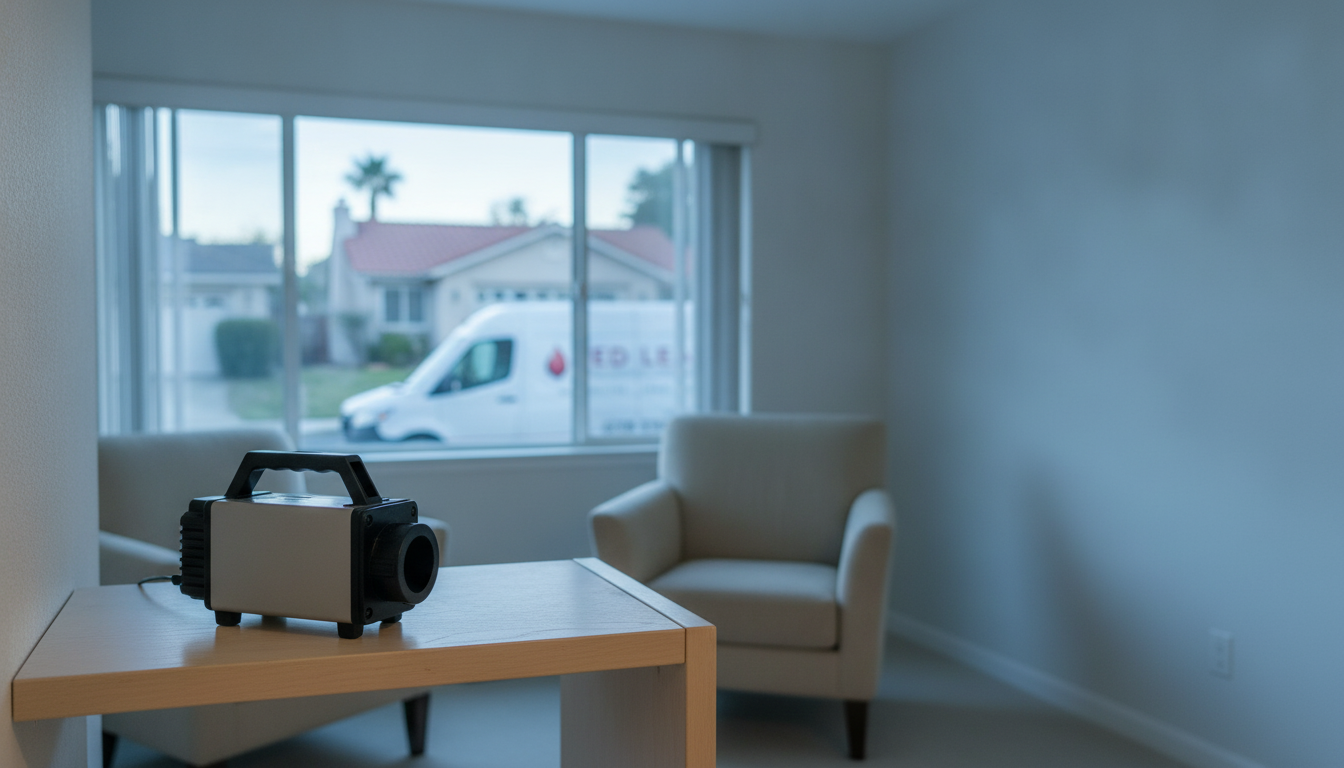
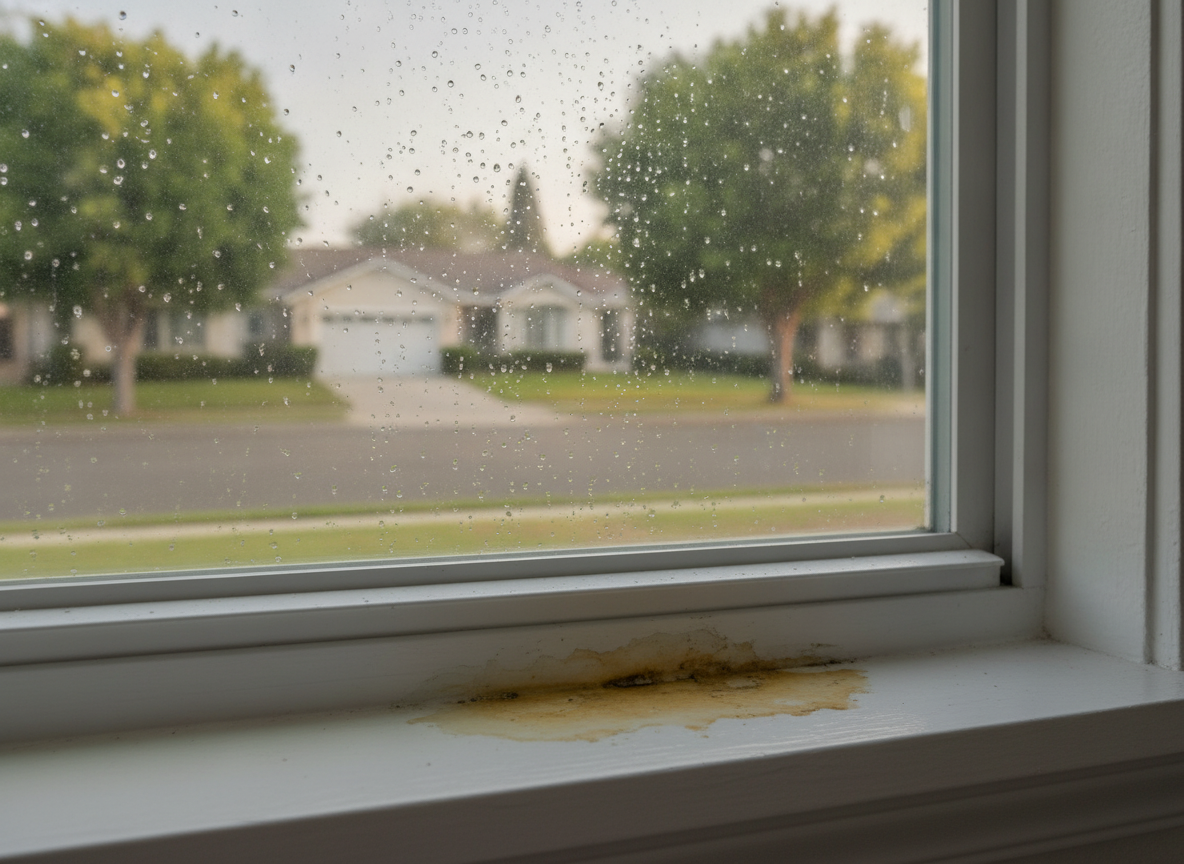
Persistent odors, stuffy rooms, moisture concerns, or discomfort that seems connected to a particular indoor space can prompt questions about air quality. An assessment provides a way to investigate those questions rather than relying on appearance or smell alone.
This kind of assessment may be relevant to homeowners, property buyers, landlords, and people responsible for workplaces. You do not need to identify a suspected contaminant before asking about an assessment. A useful starting point is simply describing what you have noticed, where it happens, and whether conditions change over time.
What indoor air quality assessment involves
Indoor air quality is influenced by several factors, including ventilation, moisture, indoor activities, and materials within a building. Assessing it generally means considering those factors together rather than treating one odor or one reading as a complete explanation.
Depending on the concern, an assessment may involve reviewing the property's history, observing conditions, and considering whether measurements or targeted testing would be useful. There is no single test that answers every indoor air quality question. The appropriate scope depends on what needs to be investigated.
An indoor air quality assessment is not a medical diagnosis. Questions about symptoms or health effects belong with a qualified healthcare professional.
What helps define the work
Before arranging an assessment, think about the questions you want answered. A concern limited to one room may call for a different investigation than a concern throughout a building. A recent change may also provide useful context.
- Location: Note which rooms or areas seem affected and whether nearby spaces feel different.
- Timing: Describe when the concern began and whether it changes with occupancy, weather, or heating and cooling use.
- Recent changes: Mention renovations, new furnishings, cleaning products, leaks, or other events that might be relevant.
- Your goal: Explain whether you are investigating an existing concern or gathering information before a property decision.
These details help frame the questions an assessment needs to address. They are not a substitute for an assessment, and they do not establish a cause on their own.
Choosing Red Leaf Environmental Consulting
Red Leaf Environmental Consulting offers indoor air quality assessment, with related services including air quality testing, mold inspection and testing, and chemical contamination testing.
When discussing your project, focus on whether the proposed assessment addresses your particular concern. Ask what is included, whether testing is recommended, and what information you can expect afterward. A clearly defined scope helps you understand what you are arranging before you move forward.
Understanding the limits of an assessment
Indoor conditions can change with ventilation, activities, weather, and occupancy. Any measurements need to be understood in the context of where, when, and how they were collected. A result should not be treated as an answer to questions the assessment was not designed to investigate.
It is also useful to distinguish investigation from corrective work. Identifying a concern, deciding how to address it, and checking conditions afterward are separate questions. Clarify which questions your assessment is intended to answer.
Frequently asked questions
Do I need an assessment if there is no noticeable odor?
Odor alone is not a reliable measure of indoor air quality. If you have another reason for concern, describe it when you contact the business rather than waiting for a smell to develop.
Will the assessment include testing?
Testing needs depend on the concern and the assessment scope. Ask which measurements or samples, if any, are proposed and what question each would help answer.
How much does an assessment cost?
Cost can depend on the areas involved, the investigation needed, and any testing included. Contact Red Leaf Environmental Consulting to discuss your property and request pricing for the proposed scope.
How long will it take?
Timing depends on the work involved. Before booking, ask about appointment availability, the time needed at the property, and when any findings or test results would be available.
Discuss your indoor air quality concerns
Contact Red Leaf Environmental Consulting at 949-638-3380 to discuss your property, explain your concerns, and ask about arranging an indoor air quality assessment.

Areas we serve
- ● Orange County
- ● Aliso Viejo
- ● Anaheim
- ● Brea
- ● Buena Park
- ● Costa Mesa
- ● Cypress
- ● Dana Point
- ● Fountain Valley
- ● Fullerton
- ● Garden Grove
- ● Huntington Beach
- ● Irvine
- ● La Habra
- ● La Palma
- ● Laguna Beach
- ● Laguna Hills
- ● Laguna Niguel
- ● Laguna Woods
- ● Lake Forest
- ● Los Alamitos
- ● Mission Viejo
- ● Newport Beach
- ● Orange
- ● Placentia
- ● Rancho Santa Margarita
- ● San Clemente
- ● San Juan Capistrano
- ● Santa Ana
- ● Seal Beach
- ● Stanton
- ● Tustin
- ● Villa Park
- ● Westminster
- ● Yorba Linda