
Mold Inspection & Testing
Red Leaf Environmental Consulting offers mold inspection and testing to help you investigate mold concerns at your property.
- ✓ Open 24 hours, 7 days a week
- ✓ Serving Orange County, Aliso Viejo, Anaheim and 32 more areas
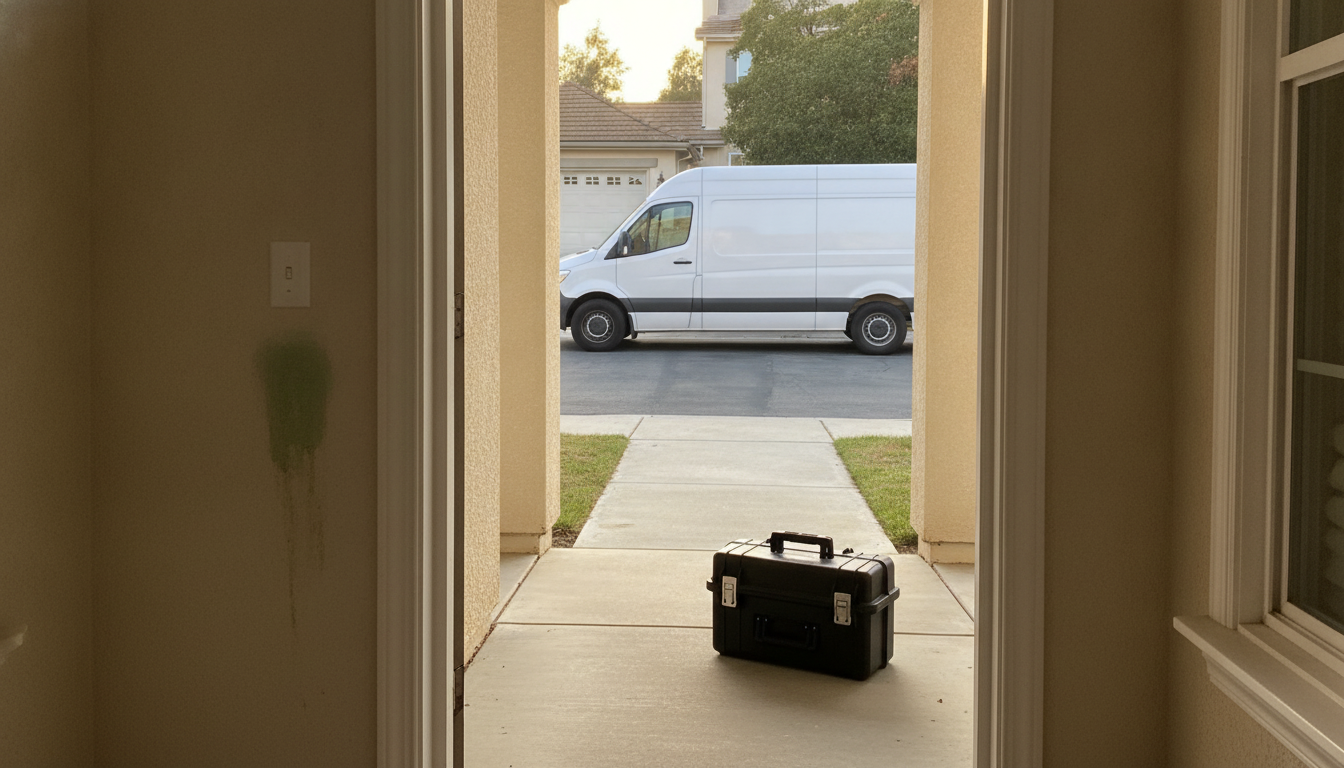
When a mold concern needs closer attention
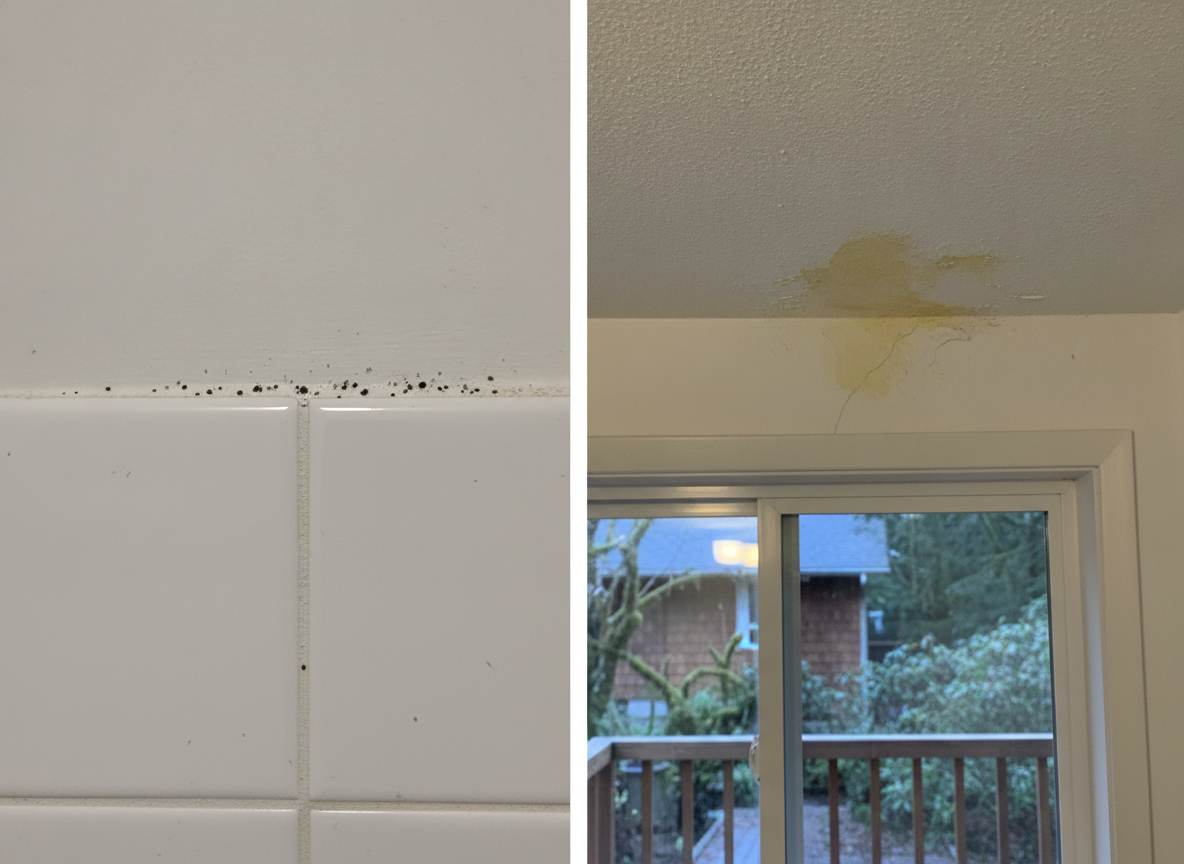
A musty smell, visible spotting or a history of leaks can raise questions about mold. These signs are reasons to investigate, but they do not all mean the same thing. Discoloration alone may not identify mold, and an odor does not establish its source.
Mold inspection and testing can be relevant to homeowners, tenants, property managers and people considering a property purchase. The starting point is the concern you want to resolve: something you can see, an unexplained smell or uncertainty following a moisture problem.
What inspection and testing involve
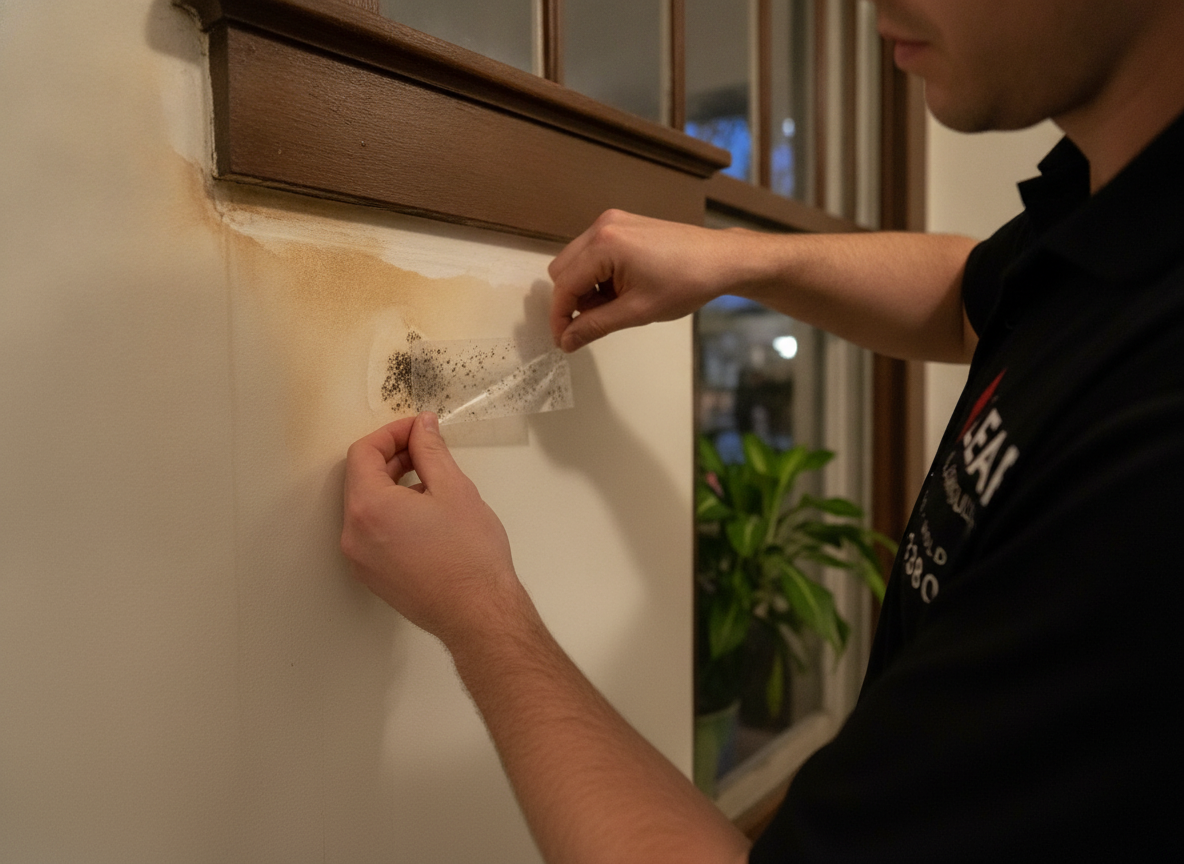
Inspection and testing have related but different roles. In general, an inspection considers visible conditions and evidence of moisture. Testing examines collected samples to help answer a defined question. Neither should be treated as a substitute for understanding the conditions at the property.
The appropriate scope depends on the concern, the areas involved and access to those areas. A localized mark near a past leak presents a different question from an odor affecting several rooms. Discussing those circumstances before arranging work helps establish what you need the assessment to address.
What testing can—and cannot—tell you
Mold testing is most useful when there is a clear reason for collecting a sample. Depending on the question, mold assessments may involve air or surface samples. These methods provide different kinds of information; more sampling does not automatically mean a more useful assessment.
A result reflects the sample collected and the conditions at that time. It should be considered alongside observations and relevant property history, rather than read as a stand-alone verdict on an entire building. Testing also does not repair a leak, remove affected materials or replace attention to moisture.
The useful starting question is not simply “Can you test for mold?” but “What question should this inspection or test answer?”
How to prepare for the conversation
You do not need to identify the mold yourself before making an inquiry. A clear description of the concern gives the conversation a practical starting point. Useful information includes:
- What you noticed: Describe visible marks, odors or other conditions that prompted your concern.
- Where it occurs: Identify the rooms or areas involved and whether they are accessible.
- Relevant history: Mention known leaks, water intrusion or previous work affecting the area.
- Your main question: Explain whether you are investigating a current issue or seeking information before a property decision.
If you have photographs or records of earlier moisture problems, mention them when discussing the work. Avoid disturbing suspected growth simply to obtain a sample yourself; discuss appropriate sampling before taking that step.
Why choose Red Leaf Environmental Consulting?
Red Leaf Environmental Consulting offers Mold Inspection & Testing and has a recorded rating of 5 out of 5 from 22 reviews. For your mold inquiry, contact the business to discuss the conditions you have noticed and the question you want the work to address.
Choosing an assessment starts with a clear scope. Before proceeding, discuss which areas are involved, whether testing is appropriate and what information you need from the work.
Frequently asked questions
Do I need testing if I can already see suspected mold?
Not necessarily. Visible concerns and moisture conditions may already warrant attention. Whether sampling adds useful information depends on the question being investigated, rather than the presence of a mark alone.
Can mold testing identify the cause of a moisture problem?
A mold sample does not, by itself, establish where water came from. Moisture history and property observations are important context when investigating why suspected growth has appeared.
How much does mold inspection and testing cost?
Ask for a quote based on your concern and the proposed scope. The areas involved, access and any sampling requirements are relevant points to discuss before agreeing to the work.
What should I do before booking?
Note what you have observed, where it occurs and any known water-related history. Share those details when you contact the business so the discussion can focus on your property and your questions.
Discuss your mold concern
Contact Red Leaf Environmental Consulting to discuss mold inspection and testing, ask about the appropriate scope and request a quote.
Areas we serve
- ● Orange County
- ● Aliso Viejo
- ● Anaheim
- ● Brea
- ● Buena Park
- ● Costa Mesa
- ● Cypress
- ● Dana Point
- ● Fountain Valley
- ● Fullerton
- ● Garden Grove
- ● Huntington Beach
- ● Irvine
- ● La Habra
- ● La Palma
- ● Laguna Beach
- ● Laguna Hills
- ● Laguna Niguel
- ● Laguna Woods
- ● Lake Forest
- ● Los Alamitos
- ● Mission Viejo
- ● Newport Beach
- ● Orange
- ● Placentia
- ● Rancho Santa Margarita
- ● San Clemente
- ● San Juan Capistrano
- ● Santa Ana
- ● Seal Beach
- ● Stanton
- ● Tustin
- ● Villa Park
- ● Westminster
- ● Yorba Linda