Bacteria and Pathogen Screening
Red Leaf Environmental Consulting provides bacteria and pathogen screening to help you investigate environmental contamination concerns.
- ✓ Open 24 hours, 7 days a week
- ✓ Serving Orange County, Aliso Viejo, Anaheim and 32 more areas
When screening may be worth considering
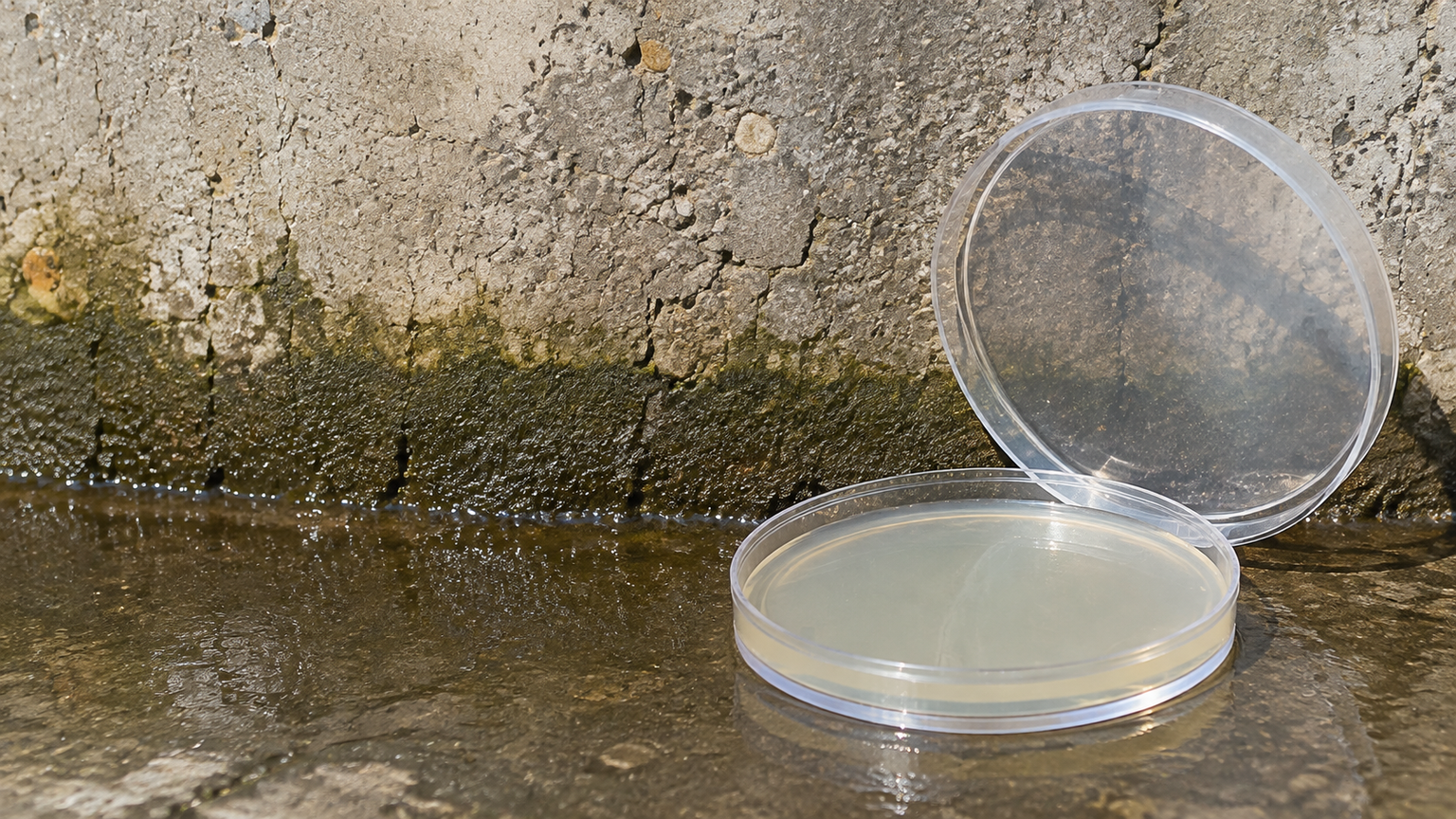
Suspected contamination can leave you with questions that appearance alone cannot answer. Bacteria and pathogen screening is a way to investigate a defined concern rather than relying only on visible conditions or assumptions.
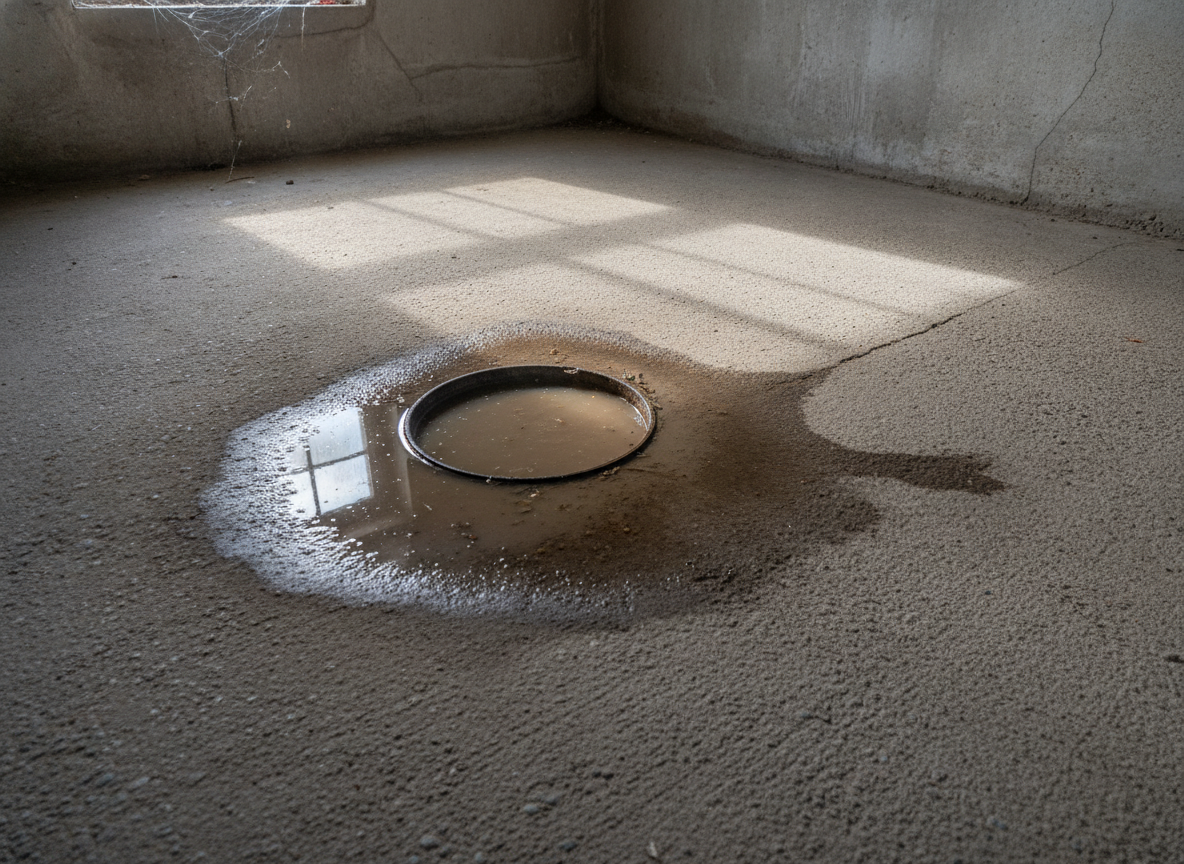
Screening may be worth discussing after a suspected sewage-related incident or when you have a specific concern about environmental contamination. The important starting point is the question you need answered: what happened, what area is involved, and what decision will depend on the findings? A focused question helps determine whether screening is appropriate and what its scope should be.
What bacteria and pathogen screening involves
In general, environmental screening involves selecting an appropriate sampling approach and analyzing samples for defined targets. “Bacteria and pathogen screening” is not one universal test for every possible organism. What a test can detect depends on the method selected and the material being examined.
Sampling location, timing, and conditions also matter. A sample represents the material collected at a particular place and time; it does not automatically describe an entire property. Before arranging work, discuss the suspected source, the affected area, and the purpose of testing so the proposed scope addresses your concern.
Who this service is for
This service is relevant to people responsible for investigating suspected environmental contamination at a property. You may be deciding whether a concern warrants testing, trying to understand the extent of a suspected incident, or seeking information before making decisions about an affected area.
You do not need to identify an organism yourself before asking about screening. A useful first conversation starts with what you observed and why it concerns you. Describe any known incident and explain what you need the testing to help you decide, without treating a suspicion as a confirmed finding.
Understanding what results can tell you
Screening results need to be considered alongside the sampling approach and the question being investigated. A finding applies to the targets and samples tested. It should not be stretched into a conclusion about organisms that were not included or locations that were not sampled.
Likewise, a result that does not detect a particular target is not a blanket guarantee that an environment is free of all contamination. Before purchasing screening, ask what the proposed work can establish, what its limitations are, and whether it fits your intended use of the findings.
Why choose Red Leaf Environmental Consulting?
Red Leaf Environmental Consulting offers bacteria and pathogen screening, along with bacteria and sewage screening. These recorded offerings make the business a point of contact when you want to discuss testing for a suspected contamination concern.
The business has a 5-star rating from 22 reviews. When considering your project, bring your specific questions to the conversation: what needs investigating, what testing is appropriate, and what information you need before moving forward.
Frequently asked questions
Can one test check for every pathogen?
No single screening approach should be understood as a test for every possible pathogen. Ask which targets a proposed test addresses and whether those targets match the concern you are investigating.
What should I prepare before contacting you?
Have a brief description of the concern, its location within the property, and any known incident ready to discuss. Explain what decision you hope testing will support so you can ask about an appropriate scope.
How much does screening cost, and how long does it take?
Ask for pricing and timing for your proposed scope before authorizing work. In general, the extent of sampling and the analysis requested can affect both cost and turnaround.
Does screening remove contamination?
Screening is an investigative activity, not contamination removal. Its purpose is to gather information about the samples tested; any decisions about corrective work are separate from the testing itself.
Discuss your screening needs
Contact Red Leaf Environmental Consulting to discuss bacteria and pathogen screening. Describe your concern, ask about the proposed testing scope, and confirm pricing and timing before arranging service.
Areas we serve
- ● Orange County
- ● Aliso Viejo
- ● Anaheim
- ● Brea
- ● Buena Park
- ● Costa Mesa
- ● Cypress
- ● Dana Point
- ● Fountain Valley
- ● Fullerton
- ● Garden Grove
- ● Huntington Beach
- ● Irvine
- ● La Habra
- ● La Palma
- ● Laguna Beach
- ● Laguna Hills
- ● Laguna Niguel
- ● Laguna Woods
- ● Lake Forest
- ● Los Alamitos
- ● Mission Viejo
- ● Newport Beach
- ● Orange
- ● Placentia
- ● Rancho Santa Margarita
- ● San Clemente
- ● San Juan Capistrano
- ● Santa Ana
- ● Seal Beach
- ● Stanton
- ● Tustin
- ● Villa Park
- ● Westminster
- ● Yorba Linda