
Soil Testing and Analysis
Red Leaf Environmental Consulting provides soil testing and analysis to help you investigate environmental concerns about your property.
- ✓ Open 24 hours, 7 days a week
- ✓ Serving Orange County, Aliso Viejo, Anaheim and 32 more areas
Start With the Question About Your Soil
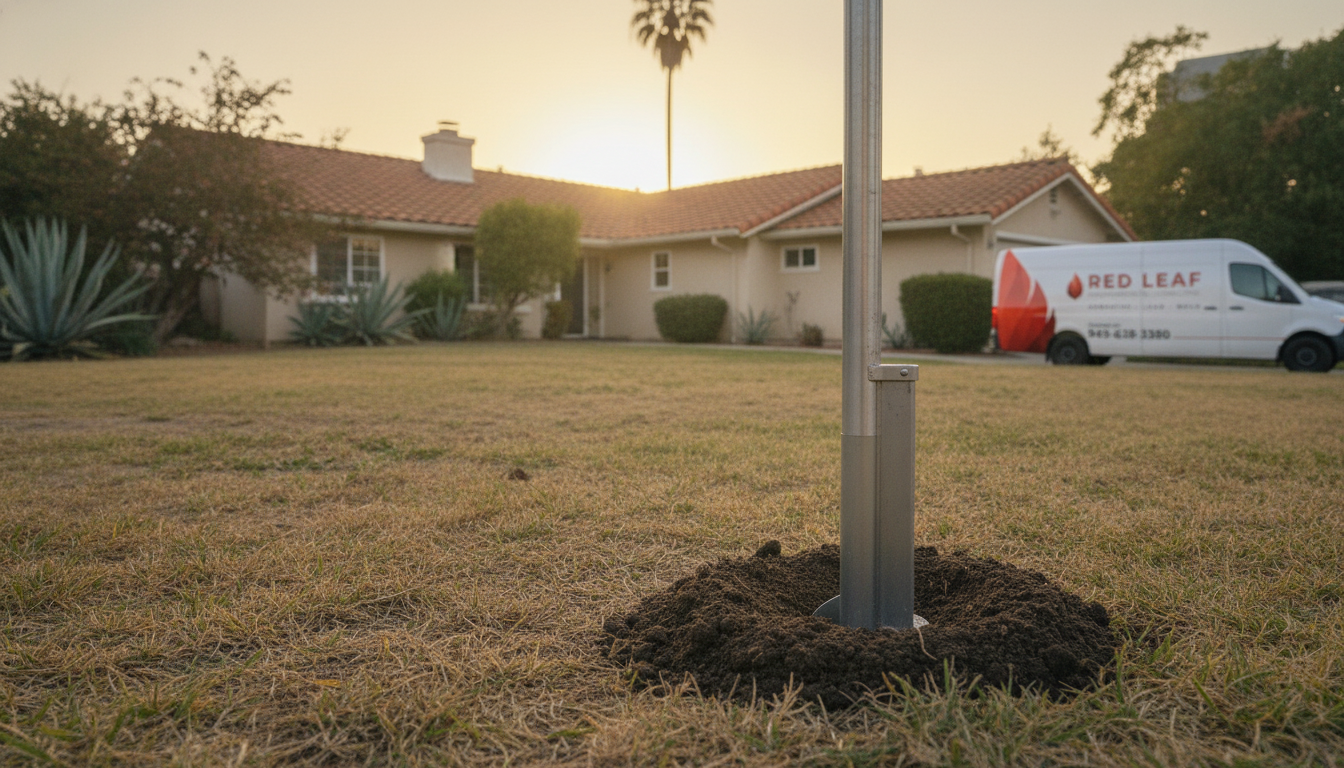
Soil testing is most useful when it addresses a specific concern. You may be considering a property purchase, planning work that will disturb soil, or investigating a location where contamination is suspected. In each case, the first question is what you need to learn—not simply whether the soil can be tested.
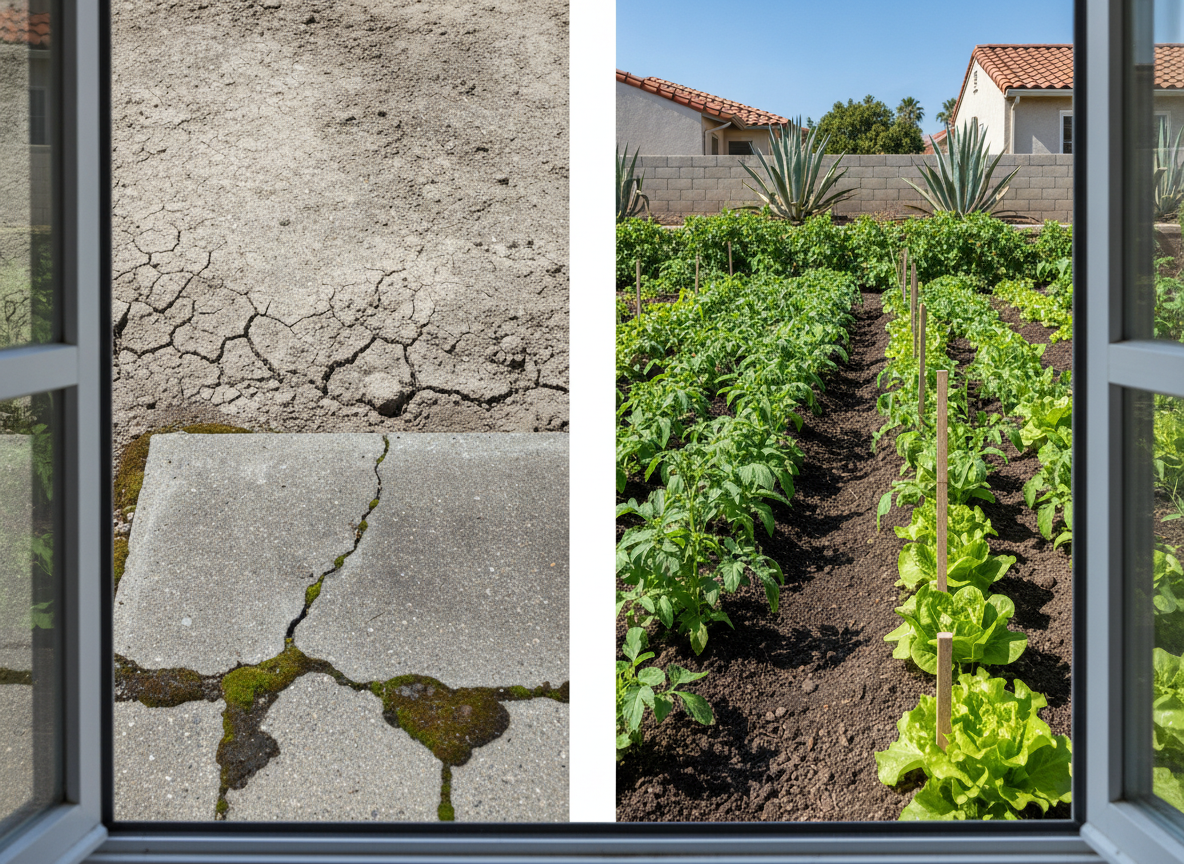
Environmental soil analysis focuses on selected substances in collected samples. It is different from testing aimed at choosing fertilizer or improving garden growth. Clarifying your purpose before arranging testing helps keep the investigation relevant to the decision you need to make.
What Soil Testing Involves
A soil investigation generally connects three things: the concern being investigated, the locations sampled, and the analysis selected. These choices matter because a result describes the material tested; it does not automatically describe every part of a property.
The work is best understood as a sequence:
- Define the concern — Identify the property question, relevant history, and intended use of the results.
- Establish the scope — Determine which locations, depths, and substances are relevant to that question.
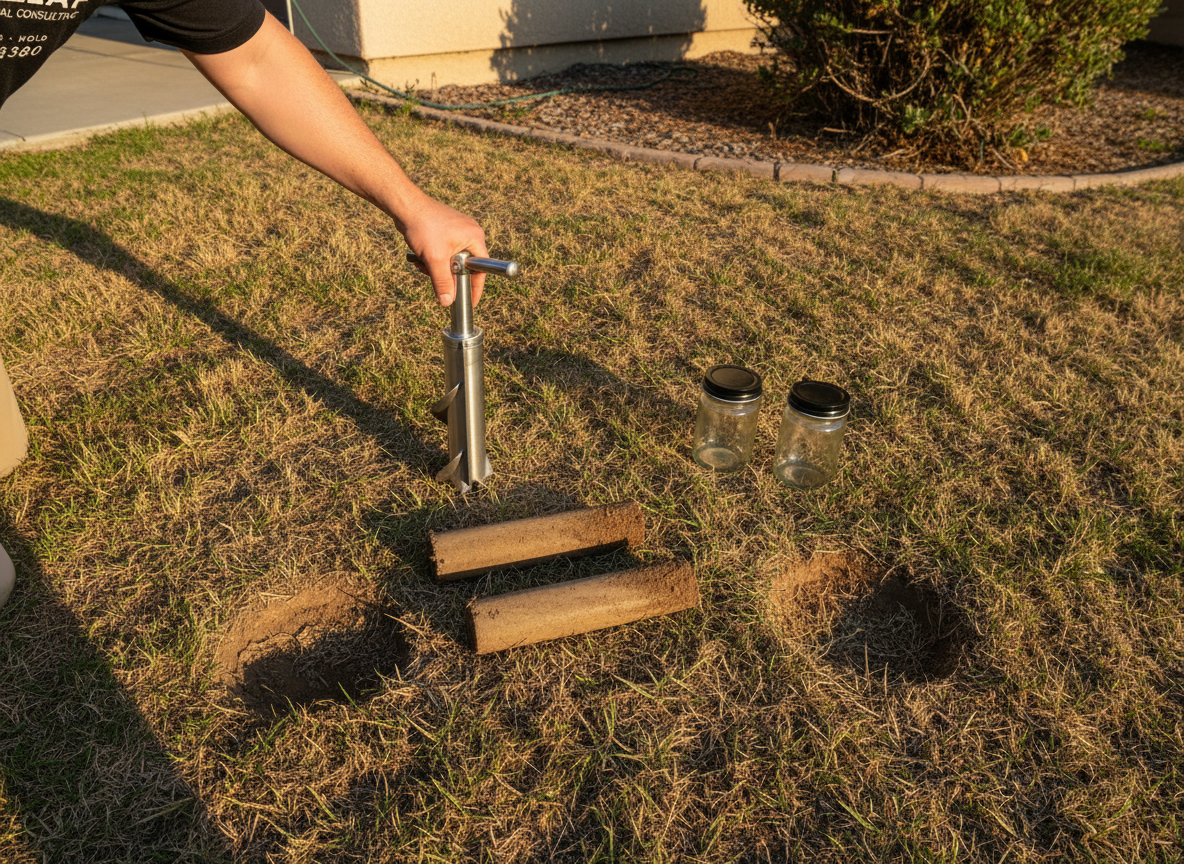
- Collect and analyze samples — Obtain soil samples for the selected analysis using procedures appropriate to the investigation.
- Consider the findings — Review results in the context of the sampling scope and the decision they are intended to support.
This is a general framework for soil investigations, rather than a fixed testing package. The appropriate scope depends on the circumstances.
When Testing May Be Worth Considering
A reason to investigate may come from how land was previously used, a suspected spill, or a concern raised during a property transaction or planned project. Appearance alone cannot establish whether soil contains a particular contaminant, and testing without a defined question may not provide the information you need.
Before contacting a testing provider, gather any available property history, previous environmental findings, and information about the area of concern. Explain what you plan to do with the property and whether another party has requested testing. That context can help frame a more focused conversation about the work.
What Results Can—and Cannot—Tell You
Soil analysis answers questions about the substances included in the analysis and the samples submitted. A result for one location or depth should not automatically be treated as representative of an entire site. Likewise, testing for selected substances is not a test for every possible contaminant.
Interpreting findings also depends on the purpose of the investigation. A property purchase, planned soil disturbance, and a suspected release can raise different questions. Before commissioning work, discuss how the results will be used and whether there are particular requirements the investigation needs to address.
Why Choose Red Leaf Environmental Consulting?
Red Leaf Environmental Consulting offers soil testing and analysis and has a 5-star rating across 22 reviews. For a property-related environmental concern, contact the business to discuss the question you want testing to address.
A useful starting point is a clear description of the site, the concern, and your intended next step. This keeps the conversation centered on your property rather than an undefined request to “test the soil.”
Frequently Asked Questions
Can soil testing tell me whether a property is safe?
Testing can provide evidence about selected substances in sampled soil. It should not be treated as a blanket assurance about an entire property or every possible environmental concern.
What determines the cost?
Soil testing costs generally depend on the investigation’s scope, including sampling needs and the analysis requested. Contact Red Leaf Environmental Consulting to discuss pricing for your situation.
How long will testing take?
Timing depends on the scope and analysis involved. Discuss your deadline before arranging work, particularly if the findings are needed for a purchase or planned project.
What should I have ready when I contact you?
Bring the property location, your reason for testing, any relevant records, and your intended use of the findings. If another party requested testing, share their requirements too.
Discuss Your Soil Testing Needs
Contact Red Leaf Environmental Consulting to discuss soil testing and analysis for your property. Use the contact form or call 949-638-3380 to explain your concern and ask about scope, pricing, and timing.
Areas we serve
- ● Orange County
- ● Aliso Viejo
- ● Anaheim
- ● Brea
- ● Buena Park
- ● Costa Mesa
- ● Cypress
- ● Dana Point
- ● Fountain Valley
- ● Fullerton
- ● Garden Grove
- ● Huntington Beach
- ● Irvine
- ● La Habra
- ● La Palma
- ● Laguna Beach
- ● Laguna Hills
- ● Laguna Niguel
- ● Laguna Woods
- ● Lake Forest
- ● Los Alamitos
- ● Mission Viejo
- ● Newport Beach
- ● Orange
- ● Placentia
- ● Rancho Santa Margarita
- ● San Clemente
- ● San Juan Capistrano
- ● Santa Ana
- ● Seal Beach
- ● Stanton
- ● Tustin
- ● Villa Park
- ● Westminster
- ● Yorba Linda