
Soil & Groundwater Testing
Red Leaf Environmental Consulting offers soil and groundwater testing to help you investigate environmental concerns about your property.
- ✓ Open 24 hours, 7 days a week
- ✓ Serving Orange County, Aliso Viejo, Anaheim and 32 more areas

Start With the Question About Your Property
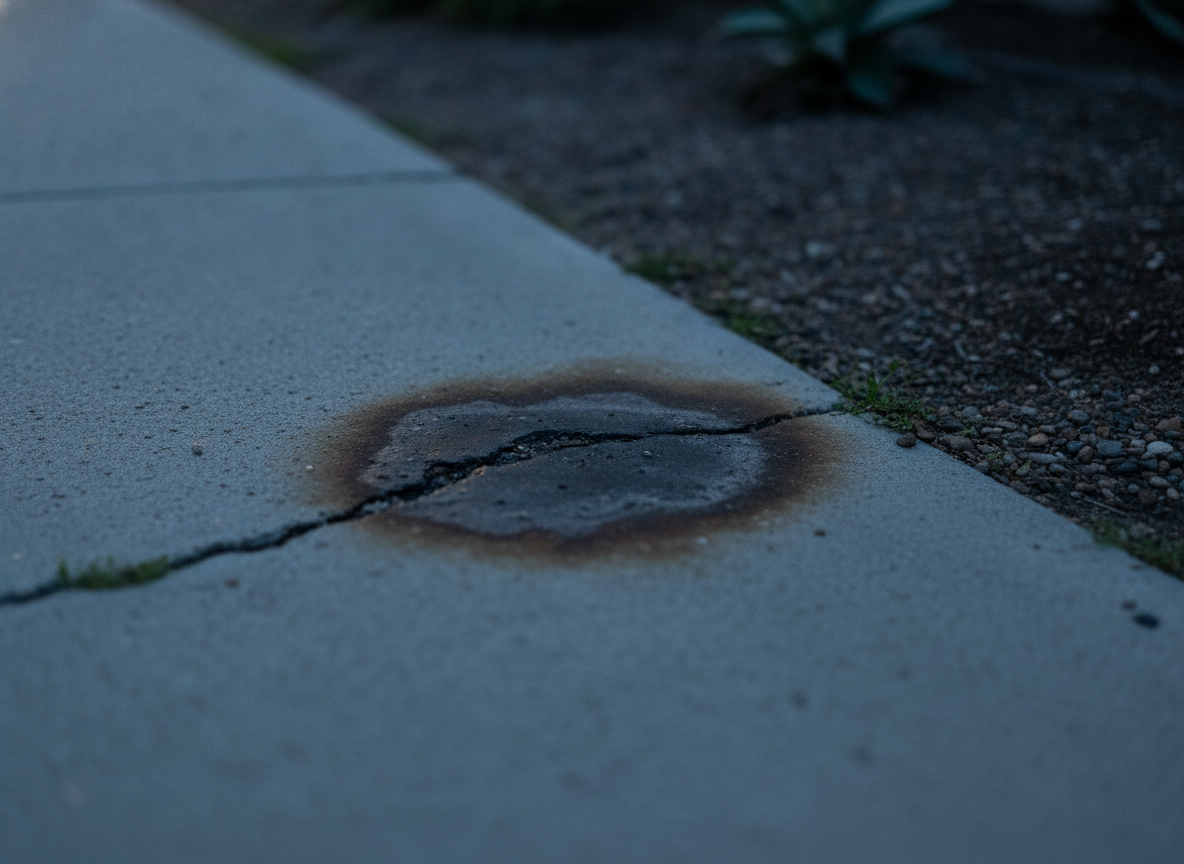
Soil and groundwater testing can help address concerns about contamination beneath a property’s surface. The starting point is a clear question: what might be present, where could it be, and what information is needed before making a decision?
Testing may be worth considering before a property purchase, when planning construction, or when past land use raises questions. A known spill or suspected release can also create a reason to investigate. These situations do not automatically mean contamination exists; they provide context for deciding whether testing is appropriate.
What Soil and Groundwater Testing Involves
Soil testing examines material collected from selected locations and depths. Groundwater testing examines water beneath the ground. Although the two can be connected, they answer different questions: a soil result does not automatically establish groundwater conditions, and a groundwater result does not describe every part of the surrounding soil.
A testing plan generally connects the concern with suitable sampling locations and laboratory analysis. The substances being investigated matter, because no single test identifies every possible contaminant. Property history, the area of concern, access, and the intended use of the results can all influence the scope.
How a Testing Project Typically Takes Shape
The sequence depends on the property and the question being investigated, but the basic planning considerations are similar:
- Define the concern — Identify the property decision or suspected condition that testing needs to address.
- Review the context — Consider available information about previous activities, suspected releases, and relevant areas of the property.
- Set the testing scope — Determine which materials, locations, depths, and substances are relevant to the question.
- Evaluate the results — Consider laboratory findings alongside sampling details and the purpose of the investigation.
This approach keeps testing tied to a practical objective. More samples are not automatically more useful; their relevance depends on where they are collected and what they are analyzed for.
Understanding What Results Can Tell You
Test results describe the samples analyzed. They should not be treated as a blanket statement about an entire property, every depth, or conditions at another time. Differences in soil, groundwater movement, and sampling location can affect interpretation.
A detected substance also needs context. Its concentration, the property’s use, and any applicable comparison criteria can matter when considering its significance. Testing is most useful when the original question remains central to reviewing the findings.
Discuss Your Project With Red Leaf Environmental Consulting
Red Leaf Environmental Consulting offers Soil & Groundwater Testing. If your concern involves soil, groundwater, or uncertainty about which needs investigation, start by describing the property and the decision you need to make.
Useful details to bring to the conversation include any known property history, the location of a suspected concern, existing environmental documents, and your project deadline. Sharing that context gives the discussion a clearer starting point without assuming that every property needs the same testing.
Frequently Asked Questions
Do I need both soil and groundwater testing?
Not necessarily. The appropriate scope depends on the concern and the conditions being investigated. Testing one does not automatically answer questions about the other.
Can testing tell me whether a property is contamination-free?
Testing provides information about selected samples and substances. It cannot establish the absence of every possible contaminant throughout an entire property.
What affects the cost of testing?
Common factors include the number of samples, access requirements, sampling depth, and laboratory analyses. Defining the question first helps make a pricing discussion meaningful.
When should I ask about testing?
Start the conversation before a purchase decision, planned construction, or another project milestone that may depend on environmental information. Allow time to discuss scope before committing to a deadline.
Contact Red Leaf Environmental Consulting
Contact Red Leaf Environmental Consulting to discuss Soil & Groundwater Testing for your property. Share your concerns, available property information, and timing to begin the conversation.

Areas we serve
- ● Orange County
- ● Aliso Viejo
- ● Anaheim
- ● Brea
- ● Buena Park
- ● Costa Mesa
- ● Cypress
- ● Dana Point
- ● Fountain Valley
- ● Fullerton
- ● Garden Grove
- ● Huntington Beach
- ● Irvine
- ● La Habra
- ● La Palma
- ● Laguna Beach
- ● Laguna Hills
- ● Laguna Niguel
- ● Laguna Woods
- ● Lake Forest
- ● Los Alamitos
- ● Mission Viejo
- ● Newport Beach
- ● Orange
- ● Placentia
- ● Rancho Santa Margarita
- ● San Clemente
- ● San Juan Capistrano
- ● Santa Ana
- ● Seal Beach
- ● Stanton
- ● Tustin
- ● Villa Park
- ● Westminster
- ● Yorba Linda